Best Sustainable Tote Bags: Chic, Practical, And Eco Friendly Picks
Are you tired of flimsy sustainable tote bags that fall apart after just a few uses, adding to the growing pile of clutter and waste? It's time to invest in a stylish, sturdy companion built for your daily life. This guide will help you choose a bag you'll love for years, not just a season.
More Than Just a Bag: The Real Impact Of Your Everyday Carry
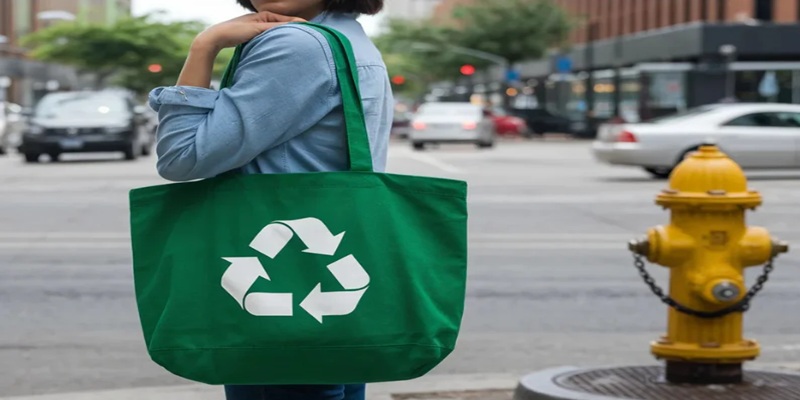
The tote bag you use every day reflects how you choose and use products. A low-cost tote is often used only a few times before the fabric weakens or seams break, and it ends up unused or thrown away. This pattern increases waste and adds pressure on the environment.
Choosing a more durable bag helps reduce how often you need to replace it. A well-made tote can handle regular use, last longer, and reduce overall consumption. It is a practical choice that supports a more efficient and less wasteful way of using everyday items.
What Makes a Tote Bag Genuinely Sustainable?
The Right Materials
The fabric of your bag is its foundation. Look for materials that minimize environmental impact from farm to finish.
• Organic Cotton: Unlike conventional cotton, which is a notoriously thirsty and pesticide-heavy crop, GOTS-certified organic cotton is grown without toxic chemicals. It’s better for the soil, the farmers, and your peace of mind.
• Recycled Fabrics: Materials like recycled canvas or rPET (recycled polyethylene terephthalate) give waste a second life. These fabrics divert plastic bottles and other post-consumer materials from landfills, reducing the need for virgin resources.
• Hemp and Jute: These plant-based fibers are sustainability powerhouses. They are incredibly durable, grow quickly, and typically require far less water and pesticides than conventional cotton, making them a naturally resilient choice.
• Innovative Vegan Leathers: Avoid old-school, PVC-based 'pleather.' Instead, look for next-generation materials like cork, Piñatex (made from pineapple leaf fibers), or apple leather that offer a luxe feel without the heavy environmental or ethical toll.
Construction That Lasts
The most sustainable product is one that endures. Longevity is the cornerstone of conscious consumption. A well-made bag will serve you for years, drastically reducing your need to replace it.
Scrutinize the craftsmanship: check for reinforced stitching, especially where the handles meet the bag's body. Look for a sturdy base that can handle weight without sagging and high-quality hardware—zippers, snaps, and clasps—that feels solid and reliable.
Ethical Production
True sustainability considers people, not just the planet. A brand's commitment to ethical manufacturing is a crucial part of the equation. Look for transparency in their supply chain. Do they share information about their factories and workers?
Certifications like Fair Trade assure that the artisans and laborers who crafted your bag were paid a living wage and work in safe conditions. Choosing a brand that values its people ensures your purchase supports a healthier, more equitable system.
The Best Sustainable Tote Bags: From Work To Weekend
Finding the right sustainable tote involves balancing material innovation with your specific lifestyle needs. Whether you are commuting to an office or running weekend errands, here is a guide to selecting high-quality, eco-friendly options.
1. For the Daily Commute: The Professional Powerhouse
A work bag must be a durable, structured partner that protects your technology. For a professional setting, prioritize clean lines and heavy-duty hardware.
Key Features: Look for a padded internal laptop sleeve, secure zip-top closures, and multiple interior pockets for organization. Ensure the straps are wide or reinforced to prevent shoulder strain during long commutes.
Recommended Choice: Brands like Cuyana excel in this category with their "fewer, better things" philosophy. Their totes often use LWG-certified (Leather Working Group) leather or premium recycled materials, ensuring the bag remains polished and functional for years rather than following fleeting trends.
Price Range: $150 – $300+
2. For Weekend Errands: The Unbeatable All-Rounder
Weekend tasks require a lightweight, high-capacity bag that is easy to maintain. The goal is a "workhorse" that handles everything from groceries to beach gear.
Key Features: Choose a bag that is machine-washable or easy to wipe clean, and that folds down into a compact pouch for storage. High strength-to-weight ratios are essential for carrying heavy loads.
Recommended Choice: Baggu is a leader in this space. Their totes are crafted from 100% recycled ripstop nylon, capable of supporting up to 50 pounds while remaining virtually weightless. These are practical alternatives to single-use plastics and come in various colors and prints.
Price Range: $15 – $60
3. For the Style-Conscious Minimalist: The Chic Carryall
For those who view sustainability as a fashion statement, look toward innovative, plant-based textiles that offer a luxury feel without using animal products.
Key Features: Focus on sculptural silhouettes, minimal hardware, and understated elegance. These bags rely on the material's unique texture rather than excessive branding.
Recommended Choice: Seek out high-end "leather" alternatives such as cork leather or vegan materials derived from apple peels or pineapple fibers. These next-generation textiles demonstrate that ethical fashion can meet high-fashion standards through conscious innovation.
Price Range: $100 – $400
Choosing The Right Tote: Size, Volume, And Sustainability
Selecting the perfect tote requires balancing physical capacity with ethical standards.
To determine the right size, categorize your needs into three functional tiers:
The "Grab-and-Go" (small) is ideal for essentials like a phone, wallet, and keys.
The "Workday Essential" (medium) is designed as a mobile office to fit a 13-inch laptop, charger, water bottle, and lunch.
The "Carries-It-All" (large) provides the volume necessary for gym gear or overnight travel.
Pro Tip: When reviewing dimensions, always prioritize the gusset measurement (the width of the bottom and sides), as a wider gusset significantly increases internal volume regardless of height.
As you shop, you'll encounter a lot of 'eco-friendly' marketing. To ensure a brand's claims are legitimate, keep these tips in mind:
• Look for certifications: Seek out specific, third-party verifications like Global Organic Textile Standard (GOTS) for cotton or Fair Trade certification, which guarantee ethical and environmental standards.
• Question vague claims: Be cautious of broad terms like 'green' or 'eco-friendly' that aren't backed by details. Genuine sustainability is specific.
• Demand transparency: Does the brand openly discuss its factories, supply chain, and material sourcing? A lack of transparency can be a red flag.
For a deeper dive, the U.S. Federal Trade Commission’s (FTC) Green Guides offer a detailed breakdown of what these marketing claims really mean.
Find a Tote That Carries Your Values
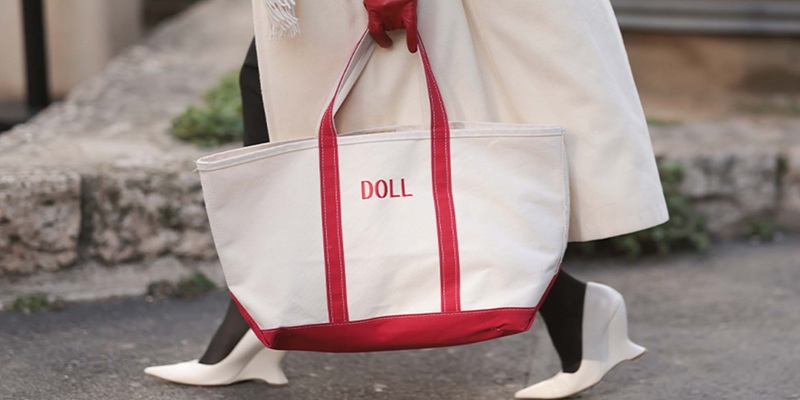
Choosing a great sustainable tote is an investment in your personal style, daily function, and the health of our planet. It represents a simple switch away from disposable culture that carries a tangible, positive impact. Armed with this knowledge, you're ready to find the perfect bag that not only carries your things but also reflects your values. By choosing well, you're not just buying a bag; you're supporting a better system and simplifying your life with a product built to last.
Related Posts
How to Style Workout Tops for Women Outfit Ideas for the Gym and Everyday Wear

What Happens To Unsold Fashion Inventory? The Hidden Waste Problem
Polyester vs Cotton: Which Is More Sustainable?
Best Organic Cotton Camis For Layering And Everyday Wear

AI And The Future Of Sustainable Fashion: Innovations You Need To Know